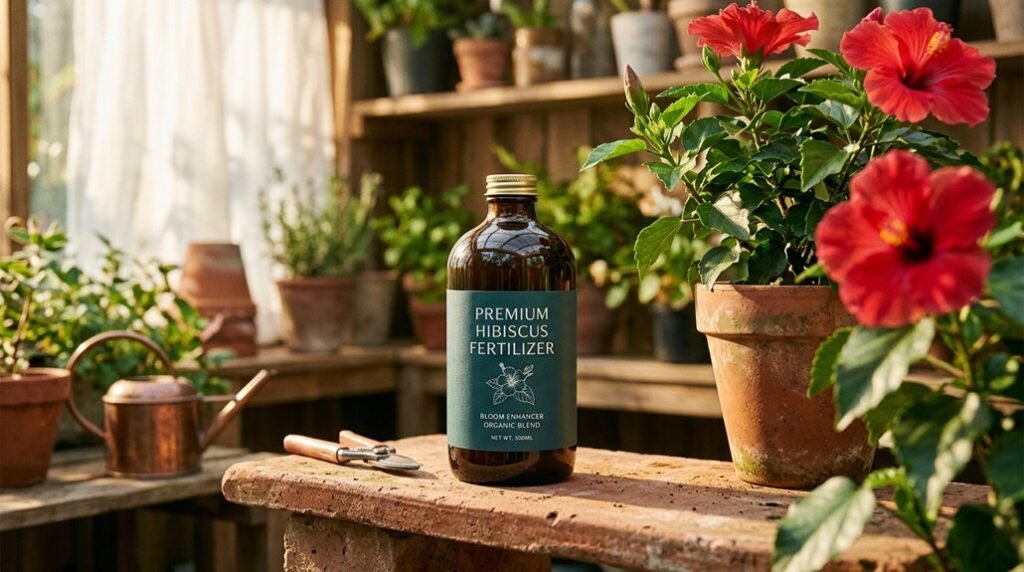
the difference between a hibiscus that barely blooms and one that bursts with color often comes down to one thing, the right fertilizer. I’ve gathered ten solid options for 2026, ranging from quick-acting liquids to steady granular formulas, and each one brings something different to your garden.
Before you pick one, though, you’ll want to understand what actually makes these fertilizers work so well for hibiscus plants specifically.
Hibiscus Fertilizer Liquid Plant Food for More Blooms

Made for Hibiscus Plants – Specially formulated hibiscus fertilizer designed for tropical flowering plants. Supports Vibrant Blooms – Hibiscus plant food helps promote...
If you’re growing hibiscus plants and want those show-stopping blooms without the guesswork, TPS Nutrients’ Hibiscus Fertilizer is a solid choice for gardeners who need a purpose-built formula. This 8 oz liquid concentrate uses a 1:8 mixing ratio (one tablespoon per gallon), making it straightforward to prepare.
The specially formulated blend targets hibiscus needs specifically, promoting vibrant, large flowers and consistent blooming throughout the season. You’ll appreciate that it works for both outdoor plantings and container gardens, giving you flexibility in how you grow. Made in the USA, it delivers medium coverage and comes with clear directions.
Best For: This product is best for hibiscus enthusiasts and gardeners with outdoor or container hibiscus plants who want a specialized formula to maximize blooms and vibrant colors without complicated mixing instructions.
Pros:
- Specially formulated concentrate designed specifically for hibiscus plants, promoting large, vibrant blooms and consistent flowering
- Easy to use with a simple 1:8 mixing ratio (one tablespoon per gallon) and includes clear directions for hassle-free application
- Versatile for both outdoor plantings and container gardens, made in the USA
Cons:
- Limited to hibiscus plants specifically, so not ideal if you have a variety of tropical or non-hibiscus plants requiring different nutrient ratios
- Small 8 oz bottle size may require frequent reordering for large-scale or multiple hibiscus plantings
Carl Pool Hibiscus Plant Food 10-4-12 4 Lbs

Sold on Amazon Scientifically Formulated for Optimum Plant Growth Great for All Hibiscus Varieties Contains Fritted Trace Elements
Carl Pool Hibiscus Plant Food 10-4-12 delivers the nutrient balance your hibiscus plants crave for vibrant blooms and healthy growth. This granular formula packs an NPK ratio specifically calibrated for hibiscus varieties, with fritted trace elements that ensure steady nutrient availability.
You’ll appreciate the straightforward application: simply work the granules into the soil around your plants for full coverage. At 4 pounds, you’ve got substantial supply for multiple hibiscus specimens. The manufacturer’s scientific approach means you’re not guessing at nutrition levels. Carl Pool’s formula addresses what hibiscus plants actually need, making it a practical choice for gardeners seeking reliable, targeted feeding without complicated mixing procedures.
Best For: This product is best for hibiscus gardeners who want a scientifically formulated, granular fertilizer that requires no mixing and delivers targeted nutrition for vibrant blooms and healthy growth.
Pros:
- NPK ratio (10-4-12) is specifically calibrated for hibiscus plants, ensuring optimal nutrient balance
- Fritted trace elements provide steady, sustained nutrient availability over time
- Simple granular application requires no mixing or complicated procedures—just work into soil around plants
Cons:
- 4-pound bag may be insufficient for gardeners with large numbers of hibiscus plants
- Granular form requires manual application and incorporation into soil, which can be labor-intensive
- Product is specialized for hibiscus, limiting versatility if you grow a variety of plant types
16oz Hibiscus Fertilizer for Vibrant Flowers

2X MORE VALUE: The 16 oz Hibiscus Plant Food makes 16 gallons of outdoor & liquid indoor plant food for houseplants, while the bigger size 32 oz bottle makes 32 gallons for...
HiThrive’s 16oz Hibiscus Fertilizer delivers concentrated nutrition in a compact bottle. The formula balances nitrogen for lush foliage, phosphorus for strong roots, and potassium for those vibrant blooms you’re after.
Simply mix it with water and apply every one to two weeks during growing season, then dial back to monthly feedings in fall and winter. Whether you’re nurturing tropical varieties or Confederate roses indoors, this liquid fertilizer addresses nutrient deficiencies that cause pale leaves and weak growth. It’s straightforward, effective, and works for both houseplants and outdoor specimens.
Best For: This fertilizer is best for hibiscus enthusiasts—both indoor and outdoor gardeners—who want a concentrated, easy-to-use solution to promote vibrant blooms, lush foliage, and strong root development across all hibiscus varieties.
Pros:
- Balanced nutrient formula with nitrogen, phosphorus, and potassium addresses multiple plant needs, from leaf growth to root strength to flower vibrancy
- Simple application: just mix with water and apply on a straightforward feeding schedule (every 1-2 weeks in growing season, monthly in dormancy)
Cons:
- Requires dilution before each use, adding an extra step compared to ready-to-use fertilizers
- Liquid concentrate may be less convenient for gardeners who prefer granular or slow-release fertilizer options
- Only formulated specifically for hibiscus, limiting versatility if you have a diverse plant collection requiring different nutrient ratios
Nelson NutriStar Hibiscus Fertilizer for Tropical Plants

LOW MAINTENANCE: Our hibiscus plant fertilizer is perfect for all flowering tropical plants. Created with homeowners in mind, our slow release nitrogen formula allows for...
Nelson NutriStar Hibiscus Fertilizer stands out as my pick for gardeners who want simplified feeding schedules. Its 10-4-12 formula delivers slow-release nitrogen, so you’re only feeding once monthly instead of constantly adjusting doses.
The higher potassium content specifically promotes those vibrant blooms you’re after, while added calcium, iron, and magnesium support robust root development and chlorophyll production. Working in harmony with your soil’s natural biology, this granular formula releases nutrients right when your plants need them. You’ll appreciate the versatility across indoor and outdoor hibiscus, hanging baskets, potted specimens, and ground plantings year-round.
Best For: Gardeners seeking a low-maintenance feeding schedule who want to promote vibrant blooms on tropical hibiscus and flowering plants with minimal monthly application.
Pros:
- Slow-release formula requires only monthly feeding, simplifying plant care routines
- Higher potassium content promotes abundant flowering and vibrant blooms
- Works synergistically with soil biology to deliver nutrients when plants need them most
Cons:
- Granular format may not be ideal for gardeners who prefer liquid fertilizers for faster nutrient absorption
- Limited to tropical and flowering plants, reducing versatility for general-purpose gardening
- Once-monthly feeding schedule may be too infrequent during peak growing or blooming seasons for some plant varieties
BGI HIBISGAIN 2lb Bag, Hibiscus Fertilizer

Formulated for the unique growing habits of Hibiscus Developed and used by commercial hibiscus growers in Homestead, FL Applied directly on top of soil & mulch, no mixing...
Looking for a fertilizer that matches your hibiscus’s natural feeding rhythm? BGI HIBISGAIN delivers exactly that with its straightforward granule formula. You simply sprinkle it directly onto soil and mulch, no mixing required, making application refreshingly simple. The 12-6-8 ratio supports vibrant blooms without overwhelming your plants.
I appreciate that the guidance emphasizes light, frequent applications rather than heavy doses, which actually prevents nutrient burn and keeps your hibiscus happier. Apply at least monthly during growing season, and you’ll notice the difference. The resealable bag keeps everything fresh between applications, and the 2-pound size handles most home gardeners’ needs efficiently.
Best For: BGI HIBISGAIN is best for home gardeners and hibiscus enthusiasts who prefer a simple, no-mixing granule fertilizer that supports healthy blooms with light, frequent applications.
Pros:
- Easy application—simply sprinkle directly onto soil and mulch with no mixing required
- Balanced 12-6-8 formula promotes vibrant blooms while minimizing risk of nutrient burn
- Resealable bag keeps product fresh and provides convenient storage between monthly applications
Cons:
- Requires monthly applications during growing season, which may be inconvenient for less attentive gardeners
- 2-pound bag may need frequent repurchasing for larger gardens or multiple hibiscus plants
- Limited to hibiscus use, reducing versatility for gardeners with diverse plant collections
Miracle-Gro Water Soluble All Purpose Plant Food
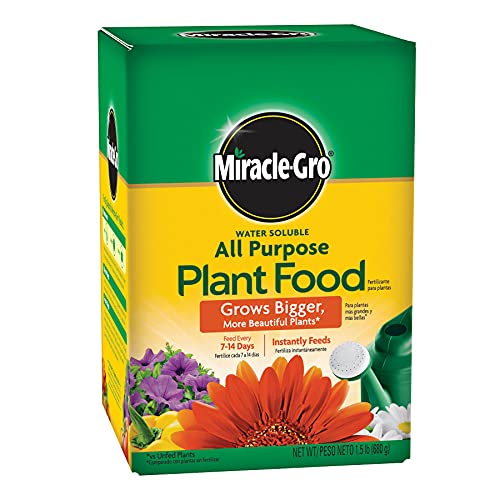
FEEDS ALL PLANTS: Miracle-Gro Water Soluble All Purpose Plant Food is a plant fertilizer that feeds all outdoor, in-ground and indoor plants, including roses, flowers,...
Miracle-Gro Water Soluble All Purpose Plant Food works well if you want a budget-friendly, quick-acting option that covers a broad range of plants with minimal fuss. The 24-8-16 NPK ratio delivers nitrogen for foliage growth, phosphorus for blooms, and potassium for overall plant health.
I appreciate that you mix just 1/2 teaspoon per gallon indoors or 1-1/2 tablespoons per 1.5 gallons outdoors, then reapply every two weeks inside or weekly to biweekly outside. The included scoop eliminates guesswork, and the formula won’t burn hibiscus when applied as directed. One container covers approximately 600 square feet, making it economical for larger gardens.
Best For: This product is best for gardeners and plant enthusiasts who want an affordable, easy-to-use fertilizer that works across a wide variety of plants without requiring specialized knowledge or equipment.
Pros:
- Budget-friendly option with excellent coverage (approximately 600 sq ft per container) and economical mixing ratios
- Balanced 24-8-16 NPK formula promotes foliage, blooms, and overall plant health across all plant types
- Simple application with included measuring scoop eliminates guesswork and won’t burn plants when used as directed
Cons:
- Requires frequent reapplication (every 2 weeks indoors, weekly to biweekly outdoors), which can become inconvenient for large gardens
- Water-soluble powder format means it won’t provide slow-release, long-term feeding between applications
- Outdoor application requires a watering can or separate Miracle-Gro Garden Feeder attachment (sold separately) for even distribution
Hibiscus Liquid Fertilizer with Organic Micro-Nutrients (10 oz)

Specifically Formulated for Hibiscus Plants: Designed to promote lush foliage, vibrant color, and larger, more abundant blooms in all hibiscus varieties. Natural &...
If you’re after a fertilizer that feeds your hibiscus while nurturing the soil itself, GrowThrive’s liquid formula deserves your attention. This concentrated solution dilutes at a 1:400 ratio, making it genuinely economical for regular feeding. What sets it apart is the organic approach: you’re getting ≥200 million live beneficial microbes per milliliter, derived from probiotic fermentation rather than synthetic chemicals.
The formula supports root vitality, strengthens leaves and stems, and encourages abundant blooms across all hibiscus varieties. With its two-year shelf life and measuring-cap lid, application becomes straightforward. You’ll appreciate the gentle action that prevents seedling burn, making this suitable for both indoor and outdoor gardens.
Best For: Hibiscus enthusiasts and gardeners seeking an organic, microbe-rich fertilizer that promotes vibrant blooms while improving soil health without synthetic chemicals.
Pros:
- Economical concentrated formula dilutes at 1:400 ratio, providing extended value for regular garden feeding
- Contains ≥200 million live beneficial microbes per milliliter from probiotic fermentation, supporting soil health and root vitality naturally
- Gentle organic action prevents seedling burn and over-fertilization, safe for both indoor and outdoor hibiscus varieties
Cons:
- Requires dilution before use, adding an extra step compared to ready-to-use fertilizer products
- Limited to hibiscus plants specifically; less versatile for gardeners with diverse plant collections
- Two-year shelf life may be shorter than some synthetic alternatives, requiring attention to storage dates
Pennington Ultra Green Palm Tree & Hibiscus Plant Food

Contains the right Balance of primary nutrients for vigorous plant growth and abundant flowers Formulated with iron, magnesium & 3 chelated essential plant nutrients for...
Pennington’s 9-4-9 formula tackles a specific challenge: keeping both palms and hibiscus thriving with one product. The granular form feeds for up to four months, meaning you’ll spend less time reapplying and more time enjoying blooms.
Iron and magnesium work alongside primary nutrients to boost color intensity, while the balanced NPK ratio supports vigorous growth without excessive leafiness at the expense of flowers. What I appreciate most is the water-retention benefit, so your plants need less frequent watering. This makes it practical for busy gardeners or those in drier climates.
Best For: Gardeners with palm trees and hibiscus who want a single, long-lasting fertilizer that reduces watering frequency and promotes both vigorous growth and abundant blooms.
Pros:
- Long-lasting formula feeds for up to 4 months, reducing the need for frequent reapplication
- Water-retention properties help plants need less frequent watering, ideal for busy gardeners or drier climates
- Chelated iron and magnesium enhance color intensity while the 9-4-9 NPK ratio balances growth with flower production
Cons:
- Granular form requires proper mixing and application, which may be less convenient than liquid alternatives
- Fixed 9-4-9 formula is specialized for palms and hibiscus, limiting versatility for a wider variety of plants
Miracle-Gro Water Soluble Bloom Booster Flower Food

For all blooming plants Instantly feeds for beautiful results Feed every 2 weeks Prevents overfeeding and burning when used as directed
This water-soluble formula hits the mark for gardeners who want consistent blooms without the guesswork. I appreciate how the 10-52-10 ratio emphasizes phosphorus, which directly supports flower production and vibrant color.
You’ll feed your hibiscus every 7 to 14 days during the growing season, mixing just 1 tablespoon per gallon of water for outdoor plants. The double-action approach works through both roots and foliage, giving your blooms a thorough nutrient boost. With coverage reaching 600 square feet using the garden feeder, you’re looking at efficiency and convenience rolled into one packet.
Best For: This product is best for gardeners and plant enthusiasts who want to maximize blooms and color in flowering plants across containers, garden beds, and window boxes with minimal feeding complexity.
Pros:
- High phosphorus content (10-52-10 ratio) specifically targets flower production and vibrant coloring
- Convenient dual-feeding method that works through both roots and leaves for comprehensive nutrient delivery
- Cost-effective coverage of up to 600 square feet per packet with the garden feeder application method
Cons:
- Requires consistent feeding schedule every 7-14 days, which demands regular maintenance and planning
- Water-soluble formula may not be ideal for gardeners preferring slow-release or organic fertilizer options
- Indoor plant dosage requires measuring smaller quantities (½ teaspoon per gallon), which may be imprecise for some users
GARDENWISE 8-4-8 Acidic Fertilizer for Azaleas and Hydrangeas

🌺 VIBRANT BLOOMS & ROBUST GROWTH: Enriched with essential nutrients like magnesium, iron, and manganese, GARDENWISE 8-4-8 is ideal for preventing chlorosis in acid-loving...
GARDENWISE 8-4-8 is your go-to choice if you’re growing acid-loving plants like hydrangeas, gardenias, or blueberries. This iron-rich granular fertilizer contains magnesium, manganese, and live bacterial microbes that work together to enhance soil health and prevent chlorosis.
I appreciate that you simply sprinkle the granules around your plant’s base, mix them into soil, and water. Three feedings yearly provide sustained nutrition through slow-release action. The bio-solid formula, refined to remove heavy metals and toxins, supports vibrant blooms and resilient growth while naturally acidifying your soil.
Best For: Gardeners growing acid-loving plants such as hydrangeas, azaleas, gardenias, blueberries, and rhododendrons who want an easy-to-apply, iron-rich fertilizer that enhances soil health and prevents chlorosis.
Pros:
- Simple application method—just sprinkle granules around the base, mix into soil, and water
- Contains live bacterial microbes and essential nutrients (magnesium, iron, manganese) that improve soil health and support vibrant blooms
- Slow-release formula provides sustained nutrition with only three feedings needed per year
Cons:
- Limited to a 12-ounce bag size, which may require multiple purchases for larger gardens
- Formulated specifically for acid-loving plants, making it unsuitable for plants that prefer neutral or alkaline soils
- Requires consistent watering and proper soil incorporation for optimal results, which may not suit all gardeners’ maintenance preferences
Factors to Consider When Choosing Fertilizer for Hibiscus Plants
When I’m helping you find the right hibiscus fertilizer, I focus on several key factors that’ll make a real difference in your plant’s performance and your gardening experience. You’ll want to consider your NPK ratio balance (the nitrogen, phosphorus, and potassium percentages), whether you prefer the convenience of liquid applications or the slow-release benefits of granular forms, how often you’re willing to feed your plants, the nutrient concentration strength that matches your soil’s needs, and whether your fertilizer choice’ll work well with your soil’s existing chemistry. Getting these elements aligned means your hibiscus gets exactly what it needs to thrive, without waste or guesswork on your part.
NPK Ratio Balance
Getting the NPK ratio right is absolutely essential if you want your hibiscus to deliver those stunning blooms you’re after. I’d recommend looking for a balanced formula around 10-4-12, which gives your plants the nutrients they need without going overboard on nitrogen.
Here’s why that matters: excessive nitrogen pushes your hibiscus toward leafy growth at the expense of flowers, and honestly, that defeats the purpose. Higher potassium levels are your friend during blooming season since they enhance flower quality and strengthen plant hardiness. Phosphorus supports root development, but you don’t want it dominating the mix.
For long-term success, I suggest slow-release formulations that provide steady nutrition and prevent fertilizer burn. This approach keeps your hibiscus thriving consistently throughout the growing season.
Liquid vs. Granular Forms
Once you’ve locked in the right NPK ratio, your next decision is picking the delivery method that fits your hibiscus care routine. I find that liquid fertilizers offer speed and precision, mixing at specific ratios (like 1:8 per gallon) to deliver nutrients directly to roots and foliage for faster uptake. They’re ideal if you want quick bloom promotion but require frequent applications, typically every one to two weeks.
Granular fertilizers, conversely, release nutrients gradually over months, providing steady long-term nutrition with less frequent dosing. You’ll apply them monthly or seasonally by weight rather than diluting solutions.
Your choice hinges on three factors: desired feeding frequency, application convenience, and whether you prioritize immediate results or sustained nutrition. Liquid suits impatient gardeners; granular suits those who prefer a set-it-and-forget-it approach.
Application Frequency Schedule
Your hibiscus’s feeding rhythm depends entirely on which fertilizer form you’ve chosen and what season you’re in. Liquid feeds demand more frequent attention, typically every 1–2 weeks during active growth, while slow-release granules offer convenient spacing of 1–4 months.
Spring and summer call for that steady, consistent feeding schedule I mentioned, but come fall and winter, you’ll dial it back considerably or pause altogether as growth naturally slows.
Here’s what matters most:
- Match your schedule to the product’s design
- Follow dilution ratios precisely (like 1:8 for liquids)
- Adjust seasonally for dormancy periods
- Never exceed recommended frequencies
Getting this rhythm right prevents nutrient burn and keeps your hibiscus thriving year-round without unnecessary work.
Nutrient Concentration Strength
Now that you’ve nailed down your feeding schedule, the strength of what you’re actually feeding matters just as much. I’ve found that hibiscus fertilizers come in varying concentrations, and matching the right strength to your plant’s needs prevents both nutrient deficiencies and dangerous burn.
Liquid formulas typically require precise mixing ratios, like one tablespoon per gallon of water, giving you control over concentration. Granular slow-release products eliminate guesswork by delivering steady nutrients over weeks. Water-soluble bloom boosters pack higher concentrations for rapid uptake when you want visible flowering responses.
The key is understanding your hibiscus’s growth stage. Young plants need gentler strength to avoid root damage, while established bloomers tolerate stronger formulations. Always follow label directions closely, because stronger isn’t better, it’s just stronger.
Soil Chemistry Compatibility
Because hibiscus roots absorb nutrients most efficiently in slightly acidic to neutral soil (pH 6.0–6.5), the fertilizer you choose needs to work with your soil’s existing chemistry rather than against it. I recommend selecting slow-release granular formulations that maintain steady nutrient delivery while minimizing pH fluctuations. This matters because adding lime, gypsum, or other amendments can shift your soil’s chemistry unpredictably.
Look for fertilizers containing chelated micronutrients like iron and magnesium. These prevent chlorosis and boost pigment production in acidic soils where hibiscus thrive. A balanced formula with higher potassium and phosphorus, such as 10-4-12 or 9-4-9, supports flowering without excess nitrogen that encourages leafy growth over blooms.
Check your current soil composition before purchasing. The right fertilizer complements what’s already there rather than fighting against established pH and buffering capacity.
Micronutrient Inclusion Benefits
Why do some hibiscus plants develop pale, yellowing leaves despite receiving adequate nitrogen, phosphorus, and potassium? The answer often lies in micronutrient deficiencies. Iron, magnesium, and manganese support chlorophyll production, root health, and overall plant vigor, essentials that macronutrients alone can’t provide.
I’ve found that fertilizers with chelated micronutrients deliver superior results because they improve nutrient uptake while reducing soil interactions that limit accessibility. These additions prevent deficiency symptoms like weak stems and pale foliage, complementing your N-P-K foundation for truly balanced growth.
Beyond preventing problems, micronutrients enhance flower quality and color by supporting robust flowering tissue and proper nutrient transport. While container plantings and nutrient-poor soils particularly benefit from supplementation, strategic micronutrient inclusion elevates hibiscus performance across conditions.
Coverage Area Capacity
Once you’ve selected a fertilizer with the right micronutrient profile, you’ll want to match it to the actual scope of your hibiscus collection, and that’s where coverage area capacity becomes your practical guide. I find that understanding how much ground or how many plants a product covers per application makes all the difference in your planning.
Granular formulations typically specify medium coverage per bag, while liquid feeds indicate coverage by volume or treated gallons. When comparing options, look for stated coverage in square feet or per-plant measurements, especially since potted hibiscus and in-ground plantings require different calculations.
Here’s what I recommend: multiply your total plant count by the recommended application frequency, then multiply by the product’s stated coverage per treatment. This gives you a clear picture of whether you’re buying enough product for your actual needs.