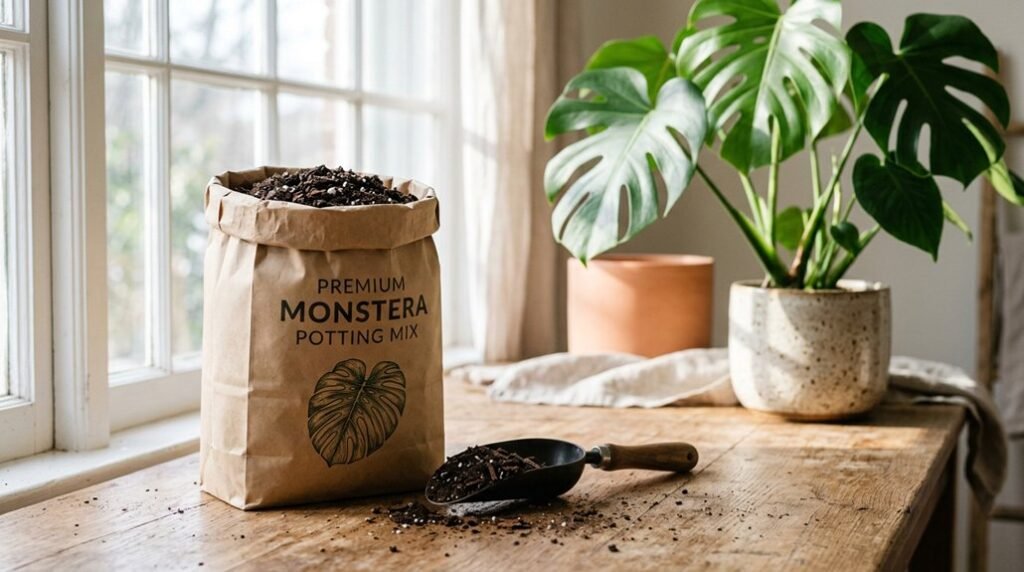
I’ve discovered that finding the right soil for your Monstera makes all the difference between a thriving plant and one that’s constantly struggling. You see, most standard potting mixes don’t give these tropical beauties what they actually need: proper drainage, aeration, and that sweet spot of moisture retention.
In 2026, the top Monstera soils have leveled up substantially, combining organic matter with strategic inert components to create something genuinely special. Let’s explore what sets the best options apart.
Soil Sunrise Monstera Houseplant Potting Soil Mix (12 Quarts)

Crafted for Monstera Lovers: Specifically formulated for Monstera varieties, including the iconic Swiss Cheese Plant (Monstera deliciosa), Thai Constellation and Ceriman....
Are you struggling to find a potting mix that actually works for your Monstera’s specific needs? Soil Sunrise’s custom blend addresses exactly that problem. This 12-quart mix is specifically formulated for Monstera deliciosa, Thai Constellation, and Ceriman varieties, combining all-natural tropical plant ingredients.
You’ll get balanced aeration and drainage alongside water retention, creating the ideal environment your Monstera craves. The formula includes nutrient-rich worm castings for organic humus, supporting healthy root development and robust foliage. Whether you’re planting fresh or refreshing existing soil, this versatile mix works equally well indoors or outdoors. It’s designed for Monstera lovers who want their Swiss Cheese Plants to genuinely flourish.
Best For: This product is best for Monstera plant enthusiasts who want a specially formulated soil mix that ensures optimal growth, drainage, and nutrient delivery for their indoor or outdoor tropical plants.
Pros:
- Custom-blended specifically for Monstera varieties (deliciosa, Thai Constellation, Ceriman) with balanced aeration, drainage, and water retention
- Contains nutrient-rich worm castings that provide organic humus for healthy root development and robust foliage
- Versatile application suitable for planting, repotting, or refreshing soil in both indoor and outdoor containers
Cons:
- Limited to Monstera-specific formulation, making it less versatile for other houseplant varieties
- 12-quart size may be excessive for small apartment dwellers or those with only one or two plants
- All-natural formulation may require more frequent monitoring and supplemental fertilizing compared to synthetic alternatives
Craft Aroid Potting Mix for Tropical Plants (2QT)

NUTRIENT RICH & PLANT FOOD COMPATIBLE: Our tropical plant soil is full of living beneficial microbes. Enriched with essential nutrients, organic matter, and worm castings,...
If you’re growing Monsteras, Alocasias, or Philodendrons indoors, you need soil that actually drains. Craft’s Aroid Mix delivers exactly that with its chunky, well-draining formula packed with pumice, lava rock, and New Zealand Tree Fern Fiber.
I appreciate that it’s peat-free and perlite-free, which means you’re reducing your environmental footprint while still getting superior aeration and root health. The certified organic coco coir is thoroughly washed for low salt content, and it includes worm castings plus microbial life to support thriving plants. The soil mimics tropical conditions with a pH around 6.0, perfect for aroid species. And here is the key difference: it’s pet-friendly and works beautifully with organic fertilizers for vigorous growth.
Best For: This product is best for indoor gardeners growing tropical aroids like Monsteras, Alocasias, and Philodendrons who prioritize excellent drainage, pet safety, and environmentally conscious gardening practices.
Pros:
- Peat-free and perlite-free formula with eco-friendly pumice and lava rock reduces environmental impact while maintaining superior drainage and aeration
- Pet-friendly and non-toxic with certified organic coco coir, worm castings, and microbial life that supports plant health without chemical concerns
- Ready-to-use straight from the bag with tropical-mimicking pH around 6.0, making it ideal for multiple plant types including aroids, succulents, and cacti
Cons:
- Limited to 2-quart size, which may require multiple purchases for larger gardening projects or repotting multiple plants
- Specialized formula designed primarily for aroids may be over-engineered for less demanding houseplants that don’t require such chunky, well-draining soil
- Requires compatible organic fertilizer like Grow Queen for optimal nutrient delivery, adding an additional product purchase to a complete plant care routine
Gardenera Premium Monstera Potting Soil (2 Quart Bag)
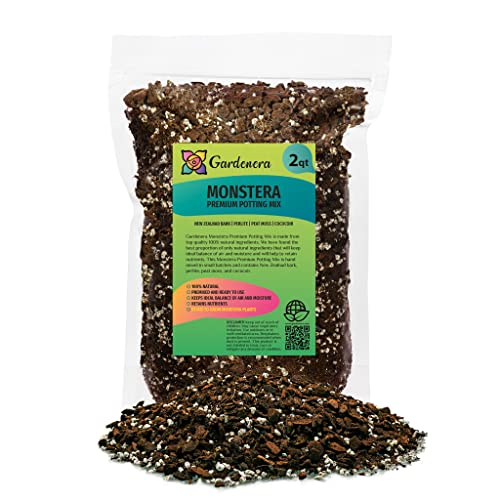
🌳 PREVENTS BROWN SPOTS, ROOT ROT, AND DROPPING LEAVES Created to provide well-draining soil using organic aged bark, coco coir, and perlite to maintain an optimal balance...
Gardenera’s Premium Monstera Potting Soil is your answer if you’re tired of guessing whether your Monstera’s soil is staying too wet or drying out too fast. This blend combines peat moss, perlite, coco coir, biochar, worm castings, and bark to create balanced drainage and aeration your Swiss Cheese Plant craves. The IBI-certified biochar boosts nitrogen and phosphorus availability, while the formula actively prevents root rot, brown spots, and leaf drop.
When repotting, simply choose a container 4–6 inches larger, add soil around the root ball, water thoroughly, then let the top 2 inches dry between waterings.
Best For: This product is best for Monstera owners who struggle with watering decisions and want to prevent common issues like root rot, brown spots, and leaf drop with a specially formulated, well-draining soil blend.
Pros:
- Balanced drainage and aeration formula reduces watering guesswork and prevents root rot and leaf problems
- IBI-certified biochar enhances nutrient availability for healthier plant growth
Cons:
- Limited to 2-quart bag size, which may require multiple purchases for larger repotting projects
- Requires proper watering technique (allowing top 2 inches to dry between waterings) for optimal results, so success depends on user care habits
Back to the Roots Organic Indoor Potting Mix (6 Quart)
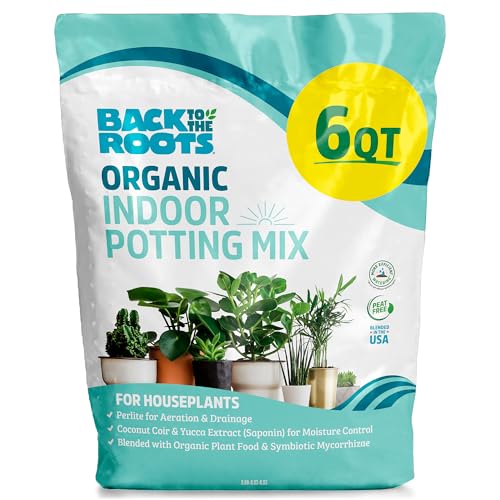
Includes 6qt of Back to the Roots Indoor Potting Mix. Our Potting Mix contains organic yucca extract that aids in retaining moisture in the soil which keeps your indoor...
You’ll want this soil if you’re growing Monsteras indoors and need a mix that actually retains moisture without becoming waterlogged. Back to the Roots delivers exactly that with yucca extract woven throughout, which helps soil hold hydration your plant needs while preventing soggy conditions.
The formula includes root-boosting mycorrhizae, natural fungi that enhance nutrient uptake and strengthen root development. Since it’s peat-free and contains no bark or compost, you’re reducing indoor pest problems, particularly gnats. Dolomitic limestone balances pH levels, making nutrients more available to your Monstera. At 6 quarts and made in the USA, this organic option gives you dependable coverage and peace of mind knowing your houseplant’s foundation supports healthy, vigorous growth.
Best For: Indoor plant enthusiasts, particularly those growing moisture-loving plants like Monsteras, who want an organic, pest-resistant potting mix that balances hydration with drainage.
Pros:
- Yucca extract promotes optimal moisture retention without waterlogging, ideal for tropical houseplants
- Mycorrhizae and balanced pH support stronger root development and enhanced nutrient uptake for vigorous plant growth
- Peat-free formula with no bark or compost reduces indoor gnats and pest problems while minimizing environmental impact
Cons:
- 6-quart volume may be excessive for small indoor gardeners or single potted plants
- Availability may be limited to online retailers, making in-store purchasing difficult
Professional Monstera Soil Potting Mix 2.2 Quarts

🌳 SUPPORT YOUR MONSTERA PLANT'S GROWTH: Give your plant the ideal foundation with this professional monstera soil potting mix. Specially designed as soil for monstera...
The Professional Monstera Soil Potting Mix from Leaves and Soul delivers exactly what tropical plant lovers need. This ready-to-use 2.2-quart blend combines peat, coco coir, perlite, and dolomite to create an ideal growing environment.
You’ll appreciate how it balances moisture retention with efficient drainage, preventing the root rot that plagues overwatered plants. The enhanced aeration keeps roots breathing and expanding properly, supporting lush foliage and steady growth. And because it maximizes fertilizer absorption, your Monstera gets better nutrient uptake overall.
Whether you’re a beginner or experienced grower, this USA-made mix works across various indoor containers. The resealable bag preserves freshness for future use, making storage simple and convenient.
Best For: This premium potting mix is best for both beginner and experienced plant owners who want to provide their Monstera and tropical indoor plants with an optimized growing environment that promotes healthy root development and lush foliage.
Pros:
- Balanced moisture retention with efficient drainage prevents overwatering and root rot while maintaining proper hydration
- Enhanced aeration and perlite composition promote root expansion and healthy breathing, supporting vigorous growth
- Ready-to-use formula with resealable packaging offers convenience and freshness preservation for immediate planting and future storage
Cons:
- Limited to 2.2 quarts per bag, which may require multiple purchases for larger planting projects or multiple plants
- Specialized blend for tropical plants may be overkill for gardeners with less demanding houseplant collections
Factors to Consider When Choosing Soil for Monstera Plants
When I’m helping you find the right soil for your Monstera, I focus on five critical factors that’ll make the difference between a thriving plant and one that’s struggling: drainage and aeration so roots don’t rot, water retention that keeps moisture available without waterlogging, nutrient-rich composition that feeds your plant, pH level compatibility around 5.5 to 7.0, and peat-free options if you prefer sustainable choices. Each of these elements works together to create an environment where your Monstera’s roots can breathe, absorb water and nutrients efficiently, and support healthy growth. And I’ll walk you through each one so you understand exactly what to look for when you’re shopping for soil.
Drainage and Aeration
Why do so many Monstera growers struggle with root rot despite their best intentions? The answer often lies in soil structure. I’ve found that drainage and aeration are non-negotiable for keeping your Monstera healthy.
You’ll want lightweight, chunky components like bark, perlite, and pumice to prevent waterlogging. These create air spaces that let oxygen reach your roots, supporting respiration and preventing compaction. A well-balanced mix combines water retention with rapid drainage, blending organic matter and inorganic aggregates so moisture stays present without becoming soggy.
Consider peat-free or low-salt substrates with natural fibers such as tree fern or coco coir. These improve drainage compared to dense soils. I check that the top 1 to 2 inches dry between waterings. This simple habit maintains proper aeration and avoids prolonged root saturation.
Water Retention Balance
Now that we’ve covered how drainage keeps your roots from drowning, let’s talk about the flip side: you also need your soil to hold onto some moisture. I find that the sweet spot involves incorporating organic matter like worm castings or biochar alongside your drainage materials. These ingredients absorb water without creating that suffocating, waterlogged environment that causes root rot.
You’re essentially creating a buffer system where moisture stays available between waterings. Perlite and pumice handle drainage brilliantly, but they don’t retain much water themselves. By layering in some organic components, you’re giving your Monstera consistent hydration without sacrificing the aeration it craves. This balance keeps roots happy and healthy, reducing both underwatering stress and the dreaded rot scenario.
Nutrient-Rich Composition
Beyond just keeping your Monstera’s roots happy with proper drainage and moisture, you’ve got to feed the plant too, and that means choosing a soil that actually delivers nutrients rather than just serving as an anchor. I look for mixes containing organic matter like worm castings or compost, which provide slow-release nitrogen and essential nutrients over time. Biochar amendments are game-changers, enhancing nutrient availability while supporting beneficial microbial activity.
You’ll want a balanced approach combining macronutrients (nitrogen, phosphorus, potassium) with micronutrients that support root development and foliage growth. Peat-free options using coco coir, bark fines, or volcanic rocks maintain both nutrient-holding capacity and drainage. Avoid anything loaded with excessive salts or synthetic fertilizers that’ll burn sensitive varieties and cause salt buildup.
pH Level Compatibility
Just as you’d never serve acidic lemon juice in an alkaline bowl and expect it to taste right, your Monstera won’t absorb nutrients efficiently if your soil pH is out of whack. I recommend aiming for a pH around 6.0, which unlocks optimal nutrient availability and uptake for your plant. Stay within the 5.5 to 7.0 range, because anything outside this window creates problems.
Too much alkalinity, especially above 7.5, restricts iron availability and triggers interveinal chlorosis, those frustrating yellow patterns between leaf veins. Peat-based or organic-rich mixes naturally lean slightly acidic, making them ideal choices for maintaining that sweet spot. When you repot or adjust your soil composition, keep pH compatibility front and center to ensure your Monstera thrives.
Peat-Free Options
If you’re concerned about environmental impact, peat-free mixes offer a solid alternative that still keeps your Monstera happy and healthy. I love that these formulations swap peat for components like coco coir, wood fiber, lava rock, pumice, and bark, which provide excellent aeration and drainage without destroying bog ecosystems.
Coco coir particularly shines because it retains moisture brilliantly while supporting root aeration, effectively preventing root rot. And because peat-free options reduce your carbon footprint and habitat disturbance, you’re making a meaningful choice.
The best peat-free mixes include organic matter such as worm castings or biochar for nutrient supply and soil structure. When selecting yours, verify it balances water retention with good drainage. Your Monstera’s roots will thrive when those two elements work together seamlessly.
Root Development Support
Your Monstera’s root system is only as strong as the soil you give it, and choosing the right medium makes all the difference between sprawling, vigorous roots and a stunted, waterlogged root ball. I’ve found that successful root development hinges on three key elements:
- Balanced drainage and aeration through coarse ingredients like bark fines or wood fiber that create air pockets for root respiration
- Nutrient-rich components such as worm castings or biochar that supply slow-release nutrition and improve soil structure
- A pH around 6.0 that lets your Monstera access essential nutrients without waterlogging
And here’s what really matters: your roots need to breathe and drink without drowning. That’s why I prioritize medium that mimics tropical soil conditions, preventing the root rot that kills so many otherwise healthy plants.
Pest Prevention Properties
Healthy roots aren’t just about drainage and nutrition, they’re also about creating an environment where pests struggle to gain a foothold. I’ve found that choosing the right soil composition directly impacts your Monstera’s pest resilience.
Look for peat-free, perlite-free formulations using lava rock, pumice, and coco coir. These materials create less-hospitable environments for pests that thrive in decomposing organic matter. Adding biochar and organic matter promotes beneficial microbial activity that naturally suppresses pest outbreaks.
Consider soils containing natural pest-reducing additives like dolomitic lime or yucca extract. These ingredients stabilize moisture levels and strengthen plant vigor, making your Monstera less attractive to common indoor pests.
And don’t overlook packaging: sterile, sealed containers minimize pest introduction during repotting. Combine quality soil with clean repotting practices for maximum protection.
Long-Term Plant Health
What makes a Monstera thrive for years rather than just survive for months? I’ll tell you: it’s all about the soil structure beneath the surface.
I focus on three essentials for long-term vigor. First, I choose mixes with balanced drainage and aeration. Compacted, peat-heavy blends suffocate roots and sabotage foliage over time. Second, I incorporate organic matter like worm castings and natural humus, which sustain the microbial activity your plant depends on for consistent nutrient availability.
Third, I add inert components like bark fines, lava rock, or pumice to maintain structure and prevent waterlogging between waterings. I also ensure my mix hits that slightly acidic to neutral pH (around 6.0) that Monsteras prefer. Root function thrives when conditions stay stable, and that’s what separates surviving plants from genuinely flourishing ones.